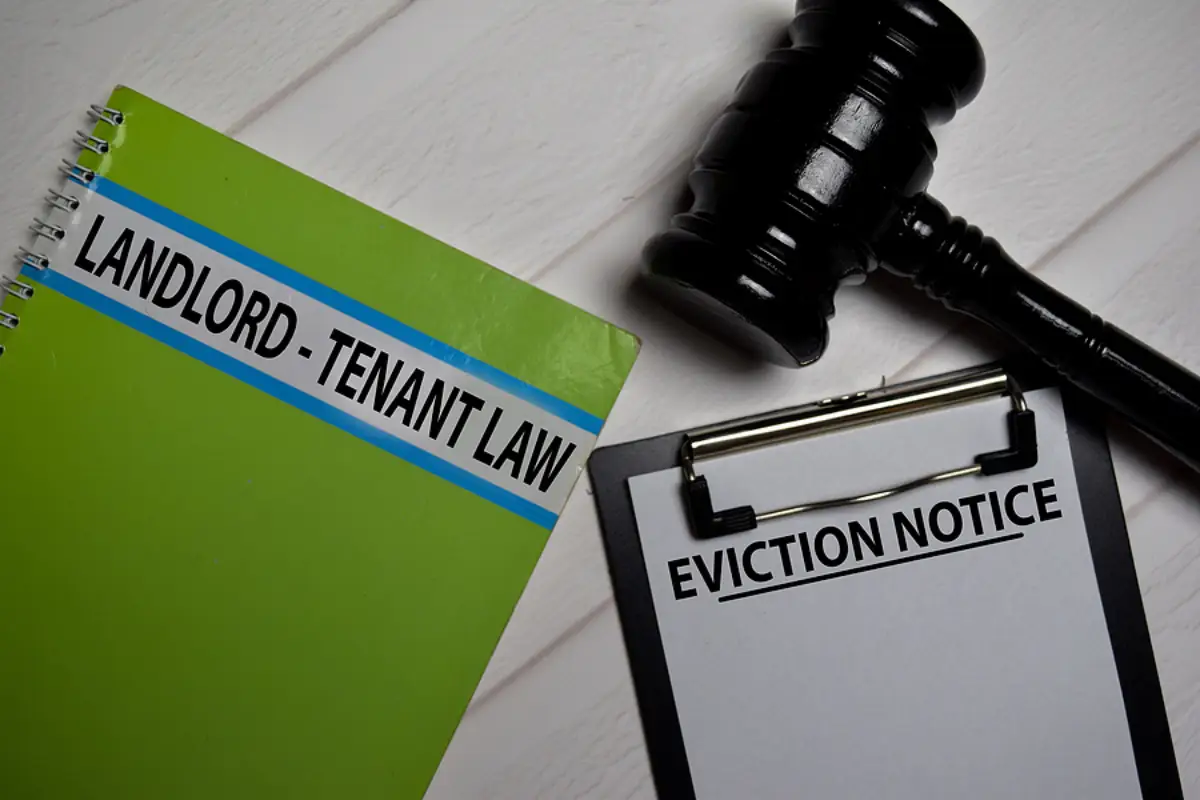
Managing rental properties can be rewarding, but even experienced landlords occasionally face difficult situations. One of the most challenging scenarios involves handling tenant evictions. While property owners hope every tenant relationship runs smoothly, circumstances such as unpaid rent, lease violations, or repeated noncompliance can create situations where eviction becomes necessary.
Atlanta's growing rental market continues to attract new residents seeking housing opportunities throughout the city and surrounding areas. As rental activity increases, landlords also face more responsibility in understanding legal requirements and maintaining effective management practices.
Evictions are not simply about removing tenants from a property. They involve legal procedures, documentation requirements, and careful communication. Mishandling the process can create delays, financial losses, and potential legal complications.
Understanding how the eviction process works can help landlords protect their investments while maintaining compliance with applicable regulations.
Key Takeaways
• Understanding local landlord-tenant laws helps reduce legal risks.
• Proper documentation strengthens the eviction process.
• Clear communication may prevent issues from escalating.
• Following legal procedures protects landlords and investments.
• Professional property management can simplify difficult situations.
Understanding Atlanta Rental Laws
Before beginning any eviction process, landlords should understand the regulations governing rental properties.
Georgia landlord-tenant laws establish specific responsibilities for both landlords and tenants. These laws help define acceptable lease practices, payment obligations, notices, and legal procedures.
Common situations that may lead to eviction include:
- Nonpayment of rent
- Lease agreement violations
- Property damage
- Illegal activity
- Unauthorized occupants
- Repeated disturbances
While reasons for eviction may appear straightforward, landlords should ensure they have documentation supporting their claims.
Failing to comply with legal requirements can create significant challenges.
Incomplete documentation, improper notices, or procedural mistakes may delay proceedings and increase expenses.
Strong management practices often begin long before problems occur.
Clear lease agreements, detailed policies, and consistent communication frequently reduce misunderstandings and support stronger tenant relationships.
Why Prevention Matters Before Evictions Become Necessary
Although landlords should understand eviction procedures, prevention remains one of the most effective property management strategies.
Many tenant disputes begin as relatively minor issues.
Examples may include:
- Missed rent payments
- Miscommunication regarding lease terms
- Maintenance concerns
- Financial hardships
- Changes in employment circumstances
Addressing concerns early may prevent larger problems later.
Prompt communication often helps identify solutions before issues become serious enough to require legal action.
Tenant relationships built on transparency and professionalism frequently lead to stronger outcomes.
Property owners who regularly review operations and management systems often discover opportunities for improvement.
Landlords evaluating their long-term strategy may benefit from learning more about when professional management support becomes valuable.
Professional assistance can often help identify operational challenges before they affect investment performance.
Step 1: Provide Proper Notice
The eviction process generally begins by notifying tenants of the issue that requires correction.
Written notices typically include:
- The reason for the notice
- Payment amounts owed when applicable
- Deadlines
- Required actions
- Additional lease information
Providing written communication creates documentation that may become important later.
Landlords should keep copies of all notices, emails, text messages, and correspondence related to tenant issues.
Documentation creates a clearer timeline and helps establish consistency throughout the process.
Proper communication also demonstrates professionalism.
Step 2: File the Appropriate Court Documents
If a tenant fails to resolve the issue outlined in the notice, landlords may proceed with filing legal action.
Court filings initiate the formal eviction process.
Required information may include:
- Lease agreements
- Payment records
- Notice documentation
- Communication history
- Supporting evidence
Errors or missing information can slow the process considerably.
Preparing organized documentation often helps improve efficiency and reduce complications.
Step 3: Prepare for Court Proceedings
Once documentation has been submitted, a hearing date may be scheduled.
During hearings, both landlords and tenants may present evidence supporting their positions.
Preparation remains important.
Landlords should organize:
- Lease agreements
- Payment histories
- Copies of notices
- Communication records
- Inspection reports
- Photographs when relevant
Strong documentation helps support credibility.
Maintaining professional conduct during proceedings is equally important.
Step 4: Understand Financial Impacts Beyond Eviction
Evictions create costs beyond legal fees.
Property owners may experience:
- Lost rental income
- Vacancy periods
- Cleaning expenses
- Repairs
- Advertising costs
- Administrative work
Unexpected expenses can affect overall investment performance.
Long-term ownership strategies frequently help investors evaluate financial decisions more effectively.
Property owners considering future investment approaches may find value in learning about the advantages of holding rental properties over time.
Understanding long-term investment opportunities can support better planning decisions.
Step 5: Evaluate Whether Renting Continues to Meet Your Goals
Property ownership goals may change over time.
Some owners eventually question whether maintaining rental properties remains the right strategy.
Factors influencing decisions may include:
- Market conditions
- Investment performance
- Financial goals
- Maintenance demands
- Personal circumstances
Evaluating available options helps property owners make informed decisions.
Landlords weighing alternatives may benefit from reviewing important considerations when deciding whether to rent or sell a property.
Careful planning supports stronger long-term outcomes.
Best Practices for Landlords During Tenant Challenges
Landlords can take several proactive steps to reduce risk and improve operations.
Helpful practices include:
- Maintain thorough documentation
- Use detailed lease agreements
- Respond promptly to concerns
- Conduct regular property inspections
- Apply policies consistently
- Keep communication professional
Consistency helps establish expectations.
Tenants who understand lease terms and property policies often create fewer misunderstandings.
Professional systems can also help landlords manage issues more efficiently.
Frequently Asked Questions
How long does the eviction process usually take in Atlanta?
Timeframes vary depending on court schedules, documentation, tenant responses, and case complexity. Delays may occur when paperwork or procedures are incomplete.
Can landlords remove tenants themselves without court involvement?
No. Self-help eviction methods such as changing locks, shutting off utilities, or removing belongings can create serious legal problems.
How can landlords reduce the chances of eviction situations?
Strong tenant screening, detailed lease agreements, consistent communication, and proactive management practices can significantly reduce potential problems.
Building a Stronger Property Management Strategy
Handling evictions requires more than understanding legal procedures. Effective management involves preparation, communication, documentation, and consistent systems that protect both landlords and investments. Property owners who create proactive management strategies often reduce risks and improve long-term property performance.
Omyra Property Management helps Atlanta property owners simplify rental operations through professional management solutions designed to support stronger investments and better tenant experiences. If you are ready to strengthen your property strategy and reduce the challenges of rental ownership, connect with us today and discover how our team can help support your goals.